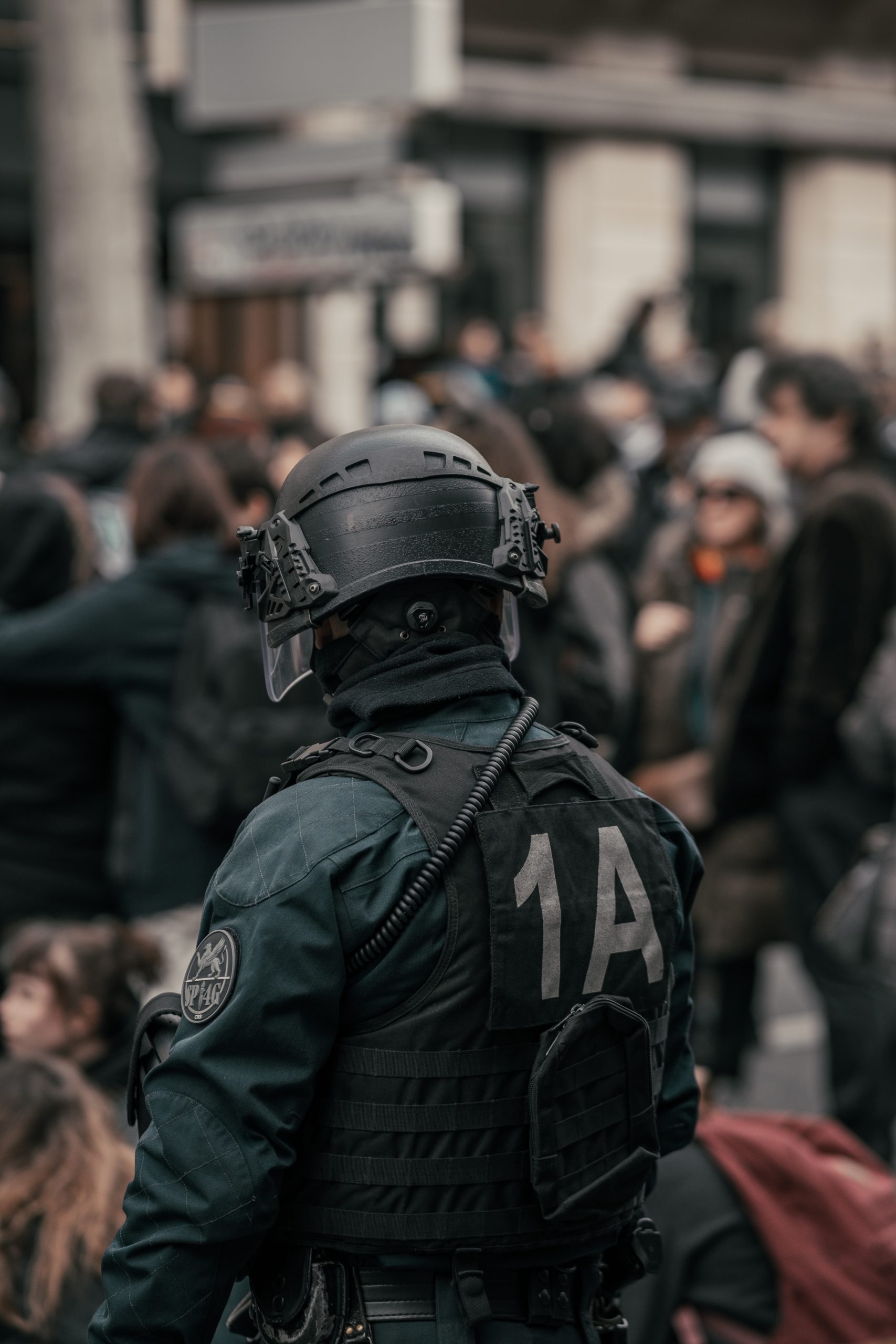
Emergency survival prepping is the practice of preparing for potential emergencies
such as natural disasters, economic downturns, or other unexpected events.
It involves assessing potential risks, building a survival kit, creating a plan,
and learning basic survival skills.
With the right preparation, individuals and families can be ready for almost any emergency situation.
# The first step in emergency survival prepping is assessing potential risks.
This includes identifying natural disasters that are common in your area,
such as floods, earthquakes, or tornadoes.
It also involves considering potential economic or societal emergencies,
such as a recession or civil unrest.
Knowing the potential risks in your area will help you determine
what types of supplies and equipment you need to have on hand.
# Once potential risks have been identified, the next step is building a survival kit.
A basic survival kit should include items such as water, food, a first aid kit,
a flashlight, and a weather radio.
Water is essential for survival, so you should have at least a three-day supply on hand.
Food should be non-perishable and easy to prepare.
A first aid kit should contain basic items such as bandages, antiseptic wipes, and pain relievers.
A flashlight and a weather radio are also essential for staying informed and finding your way in the dark.
# In addition to a basic survival kit, it’s important to have a plan in place
for how to evacuate your home and where to go in case of an emergency.
This plan should include a designated meeting place for your family,
as well as a list of important phone numbers and documents.
You should also have a plan for how to communicate with family and friends during an emergency,
such as by text message or social media.
# Another important aspect of emergency survival prepping is being able to defend yourself and your family.
This may include owning a firearm, learning self-defence techniques,
and having a plan for how to protect your home in case of an emergency.
It’s also important to have an emergency fund set aside
for unexpected expenses that might arise during a crisis.
This money can be used for things like buying food,
paying for lodging, or making repairs to your home.
# In addition to the above, it’s also important to have a good understanding
of basic survival skills such as first aid, fire-starting, and shelter building.
Having knowledge and skills in these areas can make a big difference in case of an emergency.
First aid is an essential survival skill that can save lives in an emergency situation.
Knowing how to properly treat wounds, provide CPR, and administer medication
can be the difference between life and death.
It’s important to have a basic understanding of first aid and to have a good first aid kit.
Fire-starting is another important survival skill that can be useful in an emergency.
Knowing how to start a fire without matches or a lighter can be a lifesaver in cold weather
or when you need to signal for help.
There are many different methods for starting a fire,
such as using a fire steel, a magnifying glass, or a battery and steel wool.
Shelter building is another essential survival skill that can help protect you from the elements.
Knowing how to build a shelter using natural materials
or a tarp can keep you warm and dry in an emergency.
In conclusion, emergency survival prepping is a crucial aspect of being ready for any emergency situation.
By assessing potential risks, building a survival kit, creating a plan,
and learning basic survival skills, individuals and families can be prepared for almost any emergency.
It’s important to always stay informed and stay alert,
and to continually update your preparation as the risks and circumstances change.
Remember, the best time to start preparing for an emergency is before it happens.